
That’s what Vintage Diet Culture Relics is about.
These videos revisit the diet products, advertisements, toys, magazine headlines, and other cultural messages that once seemed completely normal. Some are funny now. Some are uncomfortable. And some are downright shocking when we realize how casually they taught us to fear food, pursue thinness, and believe that our bodies were problems that needed to be fixed.
I’m not sharing these relics to shame the people who bought them or to make fun of the generations who grew up with them. Most of us were simply absorbing the messages that surrounded us.
And that’s exactly why they matter.
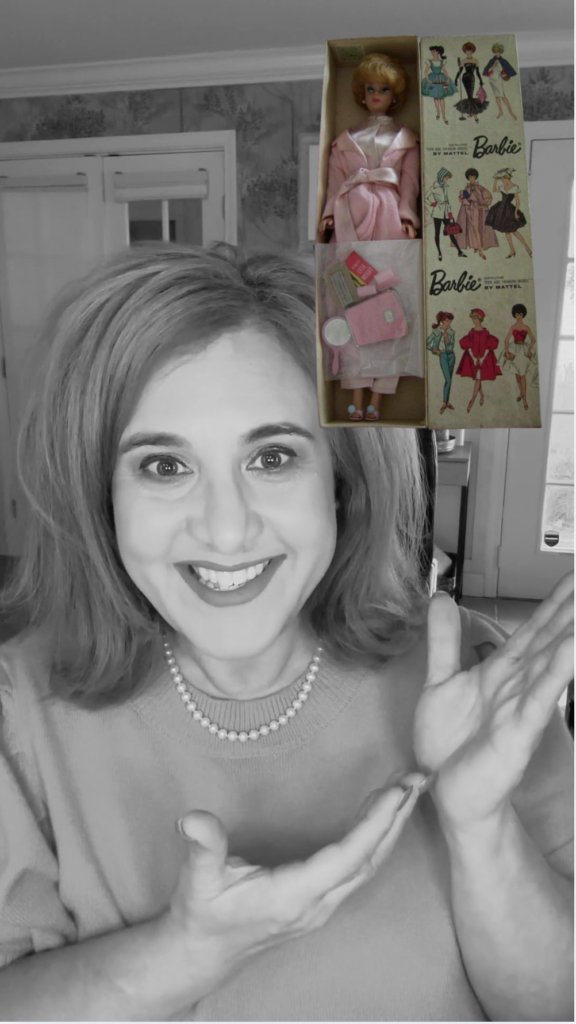
Slumber Party Barbie
Diet culture didn’t begin with social media. Many of the beliefs we carry about our bodies today were being taught decades ago—through advertisements, magazines, television, products, and even things marketed to children. When we can see those messages for what they were, we can begin to understand that some of the thoughts we have about our bodies aren’t really ours to begin with. They were learned.
These relics give us a chance to pause and ask:
What were we taught?
Who taught us?
And what do we want to keep—and what are we finally ready to unlearn?
Because understanding where these messages came from can be an important part of changing the way we relate to our bodies today. At first glance, she looks like a nostalgic piece of childhood.
But this particular Barbie came with something a little more troubling than pajamas and a sleeping bag: a bathroom scale and a booklet titled “How to Lose Weight.”
“Don’t eat!”
It may seem ridiculous now. But that’s exactly why I think it’s worth looking at. Click on the photo to watch the video!

Take a moment to think about it…
What messages about bodies, weight, or appearance did you absorb when you were growing up? Where did those messages come from?
Did you learn, directly or indirectly, that some bodies were “better” or more desirable than others? What made you believe that?
What did you learn about being “good” or “bad” when it came to food? How might those early messages still show up in the way you think about food or your body today?
When you look at Slumber Party Barbie today, what feels outdated—and what feels surprisingly familiar?